What to look for in a replacement quote. When to check an old chimney. What to settle before the crew removes your furnace or heat pump.
Define what the installer will replace
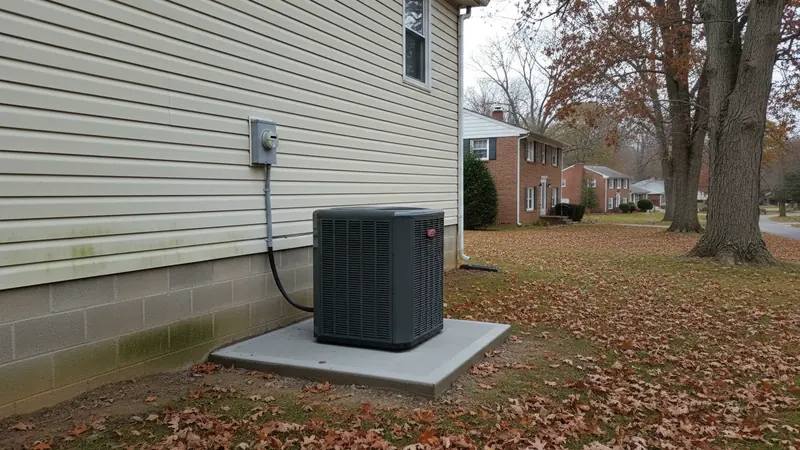
When your heating or cooling stops, “replace the system” can sound specific enough. Before you sign, ask the installer to name everything they will remove. Ask what will stay, too. Cover the outdoor equipment, indoor coil, furnace or air handler, thermostat, ducts and connecting services. A brand name alone tells you too little.
Prince William County lets you replace mechanical equipment without building plan review under certain conditions. The fuel, capacity and location must stay the same. Moving existing ducts takes you outside that shortcut. This matters if your installer suggests moving the furnace out of a closet. It also matters if you want to shift equipment to make room for a remodel.
You can find permit exemptions and fees on the county HVAC page. Check whether your quote really describes a replacement that meets those conditions. Before you rely on an exemption, ask your contractor to list every electrical, gas, duct or plumbing change. Changing fuel also falls outside the replacement guide's same-fuel condition. If you change fuel, make sure the quote covers work on the surrounding systems.
Source: Prince William County Building Development Division, Replacement of Mechanical Equipment without Building Plan Review, heading version 2019-03-22, separate effective date not stated; Limited Service and Repair Permit Application (Residential), version 2020-07-15, separate effective date not stated. Gathered 2026-09-23.
Make the proposed size answer your comfort complaint
If a bedroom stayed uncomfortable with the old system running, put that complaint in the job description. Do this before you choose new equipment. Ask the installer what will change for that room. Matching the old equipment's capacity does not explain how air will reach it.
The county's load-calculation form can help you check the proposal. You can read more about it on the county page. It records heating input and output separately. It also records cooling capacity, fan airflow, static pressure and air assigned to individual rooms. If your job includes calculations, ask how the proposed equipment fits those entries. Ask how the ducts you keep fit them, too.
During the survey, describe any changes to windows, insulation or room use. Ask the contractor what conditions the design assumes. If the quote adds capacity without changing any ducts, ask how those ducts will carry the proposed airflow.
Settle these questions before you buy. That does not mean every unchanged replacement needs a fresh county filing. Ask for a written explanation of how the equipment suits your house. It should explain how it will address the problem you want fixed.
Source: Prince William County Building Development Division, HVAC Certified Load Calculations, version 2022-05-01, separate effective date not stated. Gathered 2026-09-23.
Include the chimney when replacing a fuel-burning furnace
An existing flue is part of the replacement job. Under Prince William County's chimney policy, the contractor replacing fuel-burning equipment must inspect the vent or chimney. They must certify that it is correctly sized, maintained and operable. They must upload the county's certification to the permit before the inspection date.
Before you sign, ask whether the price covers that check and paperwork. If the contractor plans to reuse the chimney, ask who will repair it if needed. Settle how you will agree the repair price. Ask whether repairs would delay getting your heat back. “Use existing vent” should mean the contractor has checked its condition.
The county has a separate rule if you do the work yourself. You might connect a replacement fuel-burning appliance to a masonry chimney. If so, you need a report from a third-party chimney inspection company. If the inspector finds defects in the vent or chimney, you must get them fixed before approval. A new furnace does not automatically make the existing vent or chimney acceptable.
Source: Prince William County Building Development Division, Existing Chimney/Vent Inspection, effective 2018-06-22. Gathered 2026-09-23.
Price gas-pipe changes as part of the job
If your furnace job adds or alters gas piping, the county requires its Gas Piping Certification. That document must record the residential piping system. A licensed Master Plumber/Gasfitter must review it. They must approve it before inspection. The installed work must match it.
Ask for the quote to name who will do the pipe work. It should also name who will prepare the document. Settle who will arrange the required tests. The permit holder is responsible for test equipment. They are also responsible for the required tests. Ask what “gas by others” means. Otherwise, you could end up coordinating work you thought the furnace installer had included.
The county allows some minor pipe changes without the usual pressure test, within defined limits. They still need an inspection. They also need a leak test. The inspector can still require a pressure test. Do not accept a blanket assurance that a short extension never needs one. Be especially wary if the work will disturb concealed pipe. This minor-work allowance does not apply to a system taken out of service over safety concerns.
Source: Prince William County Building Development Division, Certified Gas Drawings, effective 2019-06-26. Gathered 2026-09-23.
Compare complete prices before signing
We found no county-specific installed-price range for residential HVAC installation or replacement from a primary source. The permit charges on the county page cannot tell you what your equipment and labour should cost.
Compare what each written quote covers alongside the totals. Look for the named equipment, duct changes, electrical work, vent or chimney work and gas piping. Check for removal of old equipment. Look for any work needed to restore opened walls. Ask each bidder to mark what is included, excluded or still awaiting a site check. You can then see why prices might differ.
Virginia's contractor rules require a written residential contract. It must be signed before work begins or payment is accepted. It must cover the start and estimated finish. It must set out price terms and a payment schedule. It must address compliance with local permit, inspection and zoning requirements. Changes to price, materials, scope or the estimated finish must be written down. Both parties must sign them.
Use those terms to settle likely extras before your house is without heat. The crew might find a vent defect after removing the furnace. A written change should explain the repair. It should state the cost. It should also explain how the repair affects the schedule.
Source: Virginia Board for Contractors, 18VAC50-22-260, Filing of charges; prohibited acts, latest amendment effective 2025-09-01. Installed-price statement records the research gap. Gathered 2026-09-23.
Agree on what the crew will leave behind
The county's limited-repair application may require you to keep the old equipment label for comparison. Where it does, arrange this before removal day. Put it in the installer's removal plan before the equipment leaves your property.
Agree what you will receive when the job is done: equipment model details, operating instructions, written warranties and applicable county paperwork. Ask the installer to show you how to use the controls. Ask how to reach the filter. Get any promised return visit or unfinished work in writing. Name who is responsible. Settle when they will do it.
For eligible limited-repair work, a Master Tradesman's certification can replace a county inspection. Work involving natural gas, oil or propane cannot use that option. Settle what proof you need to close your job. Keep it with the contract. Virginia's consumer guide recommends getting guarantees in writing. It also recommends tying payments to completed work. Getting the system running is a useful milestone. The agreed repairs still need to be finished. You still need the required paperwork.
Source: Prince William County Building Development Division, Limited Service and Repair Permit Application (Residential), version 2020-07-15, separate effective date not stated; Limited Service Repair Permit Program, undated, effective date not stated; Virginia Department of Professional and Occupational Regulation, Consumer Guide: Hiring a Contractor, undated, effective date not stated. Gathered 2026-09-23.